Creative Thinking Types Infographic: A Versatile Design Asset for Modern Branding
As a brand designer and content marketer, I always look for design assets that can elevate visual storytelling without compromising clarity or professionalism. When I first reviewed the Creative Thinking Types Infographic, I was immediately drawn to its clean structure and thoughtful layout. It’s a vector-based infographic template that brings a sense of order and creativity together in a way that feels both modern and approachable.
A Balanced Blend of Creativity and Clarity
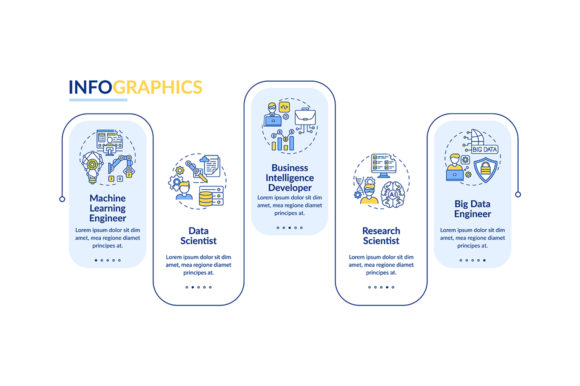
This infographic strikes a perfect balance between being informative and aesthetically engaging. The use of linear icons and a structured timeline makes it ideal for presenting complex processes or ideas in a digestible format. As someone who works closely with brand owners and marketers, I appreciate how it communicates a mood of curiosity and innovation—perfect for topics like ideation, problem-solving, or product development journeys.
The emotional tone is upbeat and encouraging, making it well-suited for lifestyle brands, educational content, or campaigns centered around growth and transformation. Whether you're promoting a new course, refreshing your social media visuals, or preparing a digital campaign for a small business launch, this asset adds a layer of professional polish while keeping the vibe friendly and accessible.
Real-World Applications in Marketing and Branding
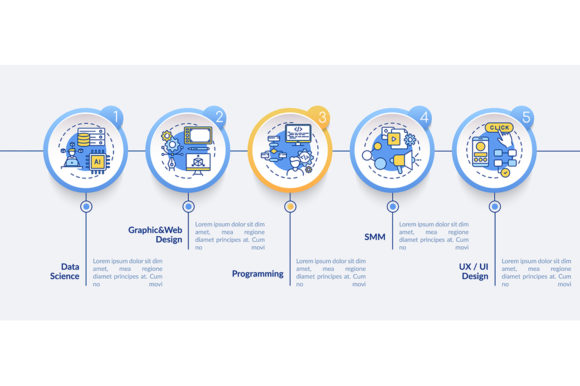
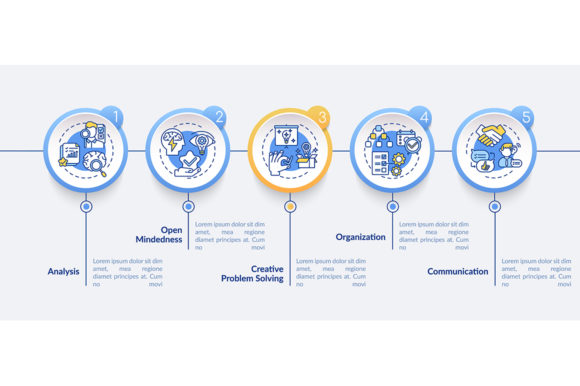
In my recent work with a wellness startup launching a mindfulness app, I needed a set of infographics that could explain the creative process behind mental focus techniques. The Creative Thinking Types Infographic fit perfectly into their brand toolkit. Its 5-step data visualization allowed me to clearly map out cognitive strategies, which were then used across multiple touchpoints:
- Social Media Graphics: Instagram posts and Facebook ads featured the infographic as a central visual element, helping viewers grasp the concept quickly.
- Pinterest Pins: The high-quality PNGs from the ZIP file worked beautifully on Pinterest, where they drove traffic back to the blog section of the website.
- Email Banners: Used in lead magnets and welcome emails, the infographic helped reinforce the brand message of clarity and intentionality.
- Editorial Layouts: Incorporated into blog headers and downloadable guides, it supported content marketing efforts by enhancing visual hierarchy and reader retention.
I also found it useful in packaging inserts and branded templates for client presentations. The ability to customize each step made it adaptable for different industries—from tech startups to creative coaching services.
Supporting Key Marketing Goals
One of the standout qualities of this graphic design asset is how effectively it supports several key marketing goals:
- Stronger First Impressions: The infographic’s bold yet elegant layout helps grab attention right away, especially when paired with a strong headline.
- Clear Visual Hierarchy: Each stage is visually distinct but cohesive, allowing users to follow the flow effortlessly—ideal for content creators looking to simplify messaging.
- Consistent Branding: With scalable SVG and PNG files, it integrates smoothly into existing brand systems, maintaining consistency across all platforms.
- Better Audience Trust: By presenting information in a structured way, the infographic builds credibility and trust—especially important for educational or service-based brands.
- Memorable Campaign Visuals: The unique styling and iconography help make the design more memorable, increasing engagement and recall value.
Where This Graphic Shines
The Creative Thinking Types Infographic performs best in areas where a clear workflow or process needs to be communicated. Here are some of the most effective uses I’ve discovered:
- Hero Graphics: Use it in landing pages or home screen banners to introduce a campaign theme or product benefit.
- Campaign Headers: Ideal for email campaigns or ad creatives that need a visual anchor to guide the audience through the message.
- Product Launches: Pair it with a product roadmap or feature rollout to create anticipation and excitement.
- Branded Templates: Incorporate it into Canva templates or PowerPoint decks to maintain visual consistency in presentations and proposals.
- Printable Promotions: Works great in downloadable content bundles, printables, or event flyers where process-driven information is key.
Its modular design also makes it a strong candidate for editorial layouts, such as magazine-style blogs or whitepapers, where it can break up dense text and add visual interest.
Use with Caution in Certain Contexts
While this infographic is incredibly versatile, there are a few scenarios where it might not perform optimally. For example:
- Formal Corporate Branding: The playful nature of the icons and the layout may clash with the serious tone of traditional corporate identities.
- Dense Information Layouts: If you’re already working with a lot of data or text, the infographic could become overwhelming if not properly integrated.
- Small Mobile Graphics: Some elements might lose readability at smaller sizes, so careful scaling is essential for mobile-first designs.
- Low-Contrast Backgrounds: The color palette may require adjustment to ensure visibility on dark or gradient backgrounds.
- Minimalist Brands: Overly simplistic brands may find the design too busy or stylized for their aesthetic preferences.
Always test it within the context of your overall brand identity before using it in final deliverables, particularly in text-heavy environments where the main message should remain front and center.
Practical Brand Designer Notes
Before implementing the Creative Thinking Types Infographic in any paid campaign or client project, here are a few practical tips I recommend:
- Test with Your Brand Palette: Swap out colors to match your brand’s primary hues and see how it affects perception and cohesion.
- Check Black & White Usage: Ensure that the infographic still functions well in grayscale for print or monochrome applications.
- Place in Real Campaign Mockups: Drop it into actual page layouts or ad mockups to evaluate how it interacts with other design elements.
- Preview on Mobile Screens: Test responsiveness and readability across various device sizes, especially for digital sellers targeting mobile audiences.
- Test Readability in Small Sizes: Some icons may get lost at lower resolutions, so always check legibility in thumbnails or sidebar graphics.
- Font Pairing Suggestions: I found it pairs well with sans-serif fonts like Montserrat or Open Sans for a clean look, and with display fonts for bolder branding statements. Avoid pairing with overly decorative script fonts unless used sparingly.
- Review Spacing and Balance: Make sure the infographic doesn’t dominate the composition or disrupt the visual equilibrium of the piece.
- Confirm Commercial Licensing: Always double-check the licensing agreement before using it in paid campaigns, client projects, or merchandise.
Why This Is a Must-Have for Content Creators
For bloggers, online coaches, and creative entrepreneurs, having a reliable graphic design asset like the Creative Thinking Types Infographic can streamline the content creation process significantly. It allows for quick, impactful visual storytelling that resonates with an audience seeking inspiration, education, or motivation.
What sets this asset apart is its adaptability. You can repurpose it for different channels—Pinterest, Instagram, web headers, or even promotional posters—without losing its core message. That kind of flexibility is rare in the creative marketplace, and it's exactly what makes it a valuable addition to a content kit or digital product bundle.
Final Thoughts for Marketers and Designers
In summary, the Creative Thinking Types Infographic is a powerful tool for anyone looking to present a creative process in a visually compelling way. Its clean lines, logical progression, and professional appearance make it suitable for both casual and commercial branding contexts. However, it's important to assess whether its style aligns with your brand voice and audience expectations.
If you're a small business owner or a digital seller aiming to refresh your visual content strategy, this infographic can serve as a cornerstone for your brand identity. Just remember to tailor it to your specific needs and always prioritize the message over the medium.
With the right adjustments and strategic placement, this graphic design asset can enhance your marketing visuals, strengthen your audience trust, and contribute to a more professional branding effort. It’s definitely worth adding to your next design bundle or content marketing plan.