Top Careers for Creative Thinkers: A Brand Designer’s Infographic Review
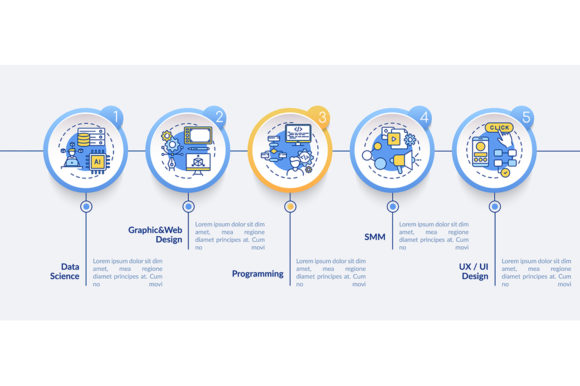
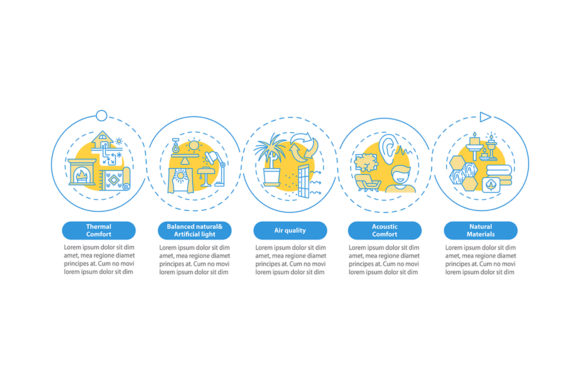
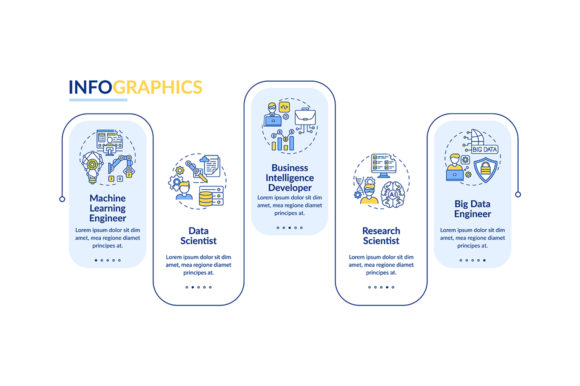
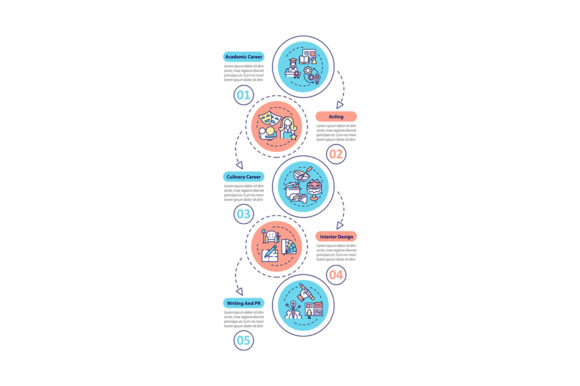
As a brand designer who regularly works with small businesses and local entrepreneurs, I always look for graphic design assets that can elevate the visual storytelling of a brand. Top Careers for Creative Thinkers caught my attention as a versatile vector infographic template with culinary career elements, data visualization, and linear icon-based workflow layouts. It immediately evokes a sense of structured creativity—perfect for brands that want to communicate innovation while maintaining clarity.
A Mood of Structured Creativity
The first thing I noticed about this asset is its clean, modern aesthetic. The use of linear icons and a step-by-step process layout gives it a professional yet approachable feel. The color palette feels warm and inviting, which suggests a brand personality that's both intelligent and personable. This makes it ideal for handmade businesses, boutique stores, or food-related ventures like bakeries, coffee shops, and artisanal soap makers who want to showcase their creative journey in a visual format.
I found the mood of Top Careers for Creative Thinkers to be particularly suited for brands that are looking to highlight craftsmanship, strategy, or educational content. It doesn’t scream boldness but rather whispers sophistication—something that resonates well with local business owners aiming to build a strong emotional connection with their community through thoughtful visuals.
Real-World Applications for Small Business Branding
Infographics are powerful tools in branding because they simplify complex ideas into digestible, engaging visuals. Top Careers for Creative Thinkers offers an excellent foundation for this purpose. Here’s how I envision using it across different branding and packaging scenarios:
- Product Labels: The infographic’s structured layout could work beautifully on product labels for homemade goods, such as candles, skincare products, or gourmet snacks. It helps explain the production steps or the story behind the product without overwhelming the reader.
- Packaging Design: When designing boxes or bags for seasonal campaigns, this template provides a great base for illustrating a timeline or workflow. It adds visual interest and tells a story that customers can follow.
- Hang Tags & Thank-You Cards: The minimal use of text and clear visual hierarchy makes this a good candidate for hang tags or thank-you cards where you want to express appreciation with a touch of professionalism.
- Menu Graphics & Price Lists: For cafes or food trucks, the five-step data visualization model can be adapted to show menu creation processes, sourcing stories, or even pricing breakdowns in a more engaging way than traditional lists.
- Social Media Campaigns: The infographic style works well for Instagram posts, Facebook banners, or email newsletters that aim to educate followers about the brand’s mission or values.
- Website Banners & Hero Sections: If your site needs a visual anchor that highlights your brand’s creative process or services, this asset can serve as a hero graphic that reinforces your brand identity.
Enhancing First Impressions and Brand Trust
In the world of small business branding, first impressions matter. Using Top Careers for Creative Thinkers in promotional materials or editorial designs can significantly enhance the perception of professionalism and thoughtfulness. Whether it’s printed on a flyer or embedded in a digital product mockup, the asset contributes to a clearer visual hierarchy and stronger brand consistency.
This kind of structured infographic also builds customer trust by showing transparency. For example, a local bakery might use it to illustrate their baking process from sourcing ingredients to final packaging. Such visuals help customers understand the value behind the product, increasing loyalty and repeat sales.
Where This Graphic Shines Brightest
There are several places where Top Careers for Creative Thinkers can make a real impact:
- Product Label Accents: Use it subtly to highlight key features or steps involved in your product’s creation.
- Promotional Banners: Create eye-catching banners for events or new product launches using the infographic’s modular structure.
- Seasonal Packaging: The festive undertones of the design lend themselves well to holiday campaigns or limited-edition releases.
- Boutique Visuals: Its modern yet friendly tone aligns perfectly with boutique branding that wants to stand out without being too loud.
- Editorial Designs: Ideal for blog headers, print inserts, or printable guides explaining your brand philosophy or service offerings.
When to Use It with Caution
While Top Careers for Creative Thinkers is incredibly useful, there are situations where it might not be the best fit. Here are some practical notes based on experience:
- Formal Corporate Branding: The design leans more toward a casual, informative style, so it may not suit highly formal or minimalist corporate identities.
- Very Small Labels: Due to the complexity of the infographic, using it on tiny product labels could reduce readability. Always preview it at scale before finalizing.
- Crowded Product Packaging: Avoid layering it over other busy graphics. It should complement, not compete with, the overall packaging design.
- Ingredient-Heavy Layouts: If your label includes a long list of ingredients or certifications, the infographic might distract from important text.
- Low-Contrast Backgrounds: Make sure the colors in the asset contrast well with your chosen background to ensure legibility in print and digital formats.
- Luxury Minimalist Brands: While beautiful, this infographic has a certain level of detail that may clash with ultra-minimal luxury aesthetics.
Brand Designer Tips for Effective Use
To get the most out of Top Careers for Creative Thinkers, here are some actionable tips from the field:
- Test on Real Mockups: Before committing to print, apply the design to a product mockup (like a candle jar or soap box) to see how it looks in context.
- Check Black and White Usage: Some infographics lose impact when desaturated. Ensure it still reads clearly in grayscale if needed for printing.
- Preview on Small Labels: Zoom in to see if the details remain visible at smaller sizes, especially for items like stickers or price tags.
- Test with Your Brand Colors: Replace default colors with your brand’s palette to see if the infographic enhances or clashes with your identity.
- Compare with Competitor Packaging: See how it stands out against similar assets used by others in your niche. Will it give your brand a competitive edge?
- Review Print Quality: Download the SVG or PNG versions and test them on different substrates to ensure crisp output.
- Inspect Transparency and Editability: If using the PNG version, check the transparency layers. For SVG, ensure all elements are editable and scalable.
- Font Pairing Test: Try pairing it with various fonts—serif, sans serif, script, handwritten, or display—to maintain harmony in your graphic design asset usage.
- Confirm Commercial Licensing: Always verify the commercial license before using it for client work, physical product sales, or web design projects.
Why This Asset Works for Local Businesses
For local brands, authenticity is everything. Top Careers for Creative Thinkers allows you to present your story visually, which is essential in today’s market where consumers crave transparency and connection. Whether you're a florist explaining your bouquet-making process or a home decor shop showcasing your design inspiration, this infographic helps turn abstract ideas into tangible, shareable content.
Its adaptability means it can evolve with your brand. You can tweak the steps, swap in your own illustrations, or adjust the layout to match your brand identity. That flexibility is a huge plus for designers working with small businesses that often need multiple uses from one design asset.
Final Thoughts for Creative Entrepreneurs
After reviewing Top Careers for Creative Thinkers, I believe it's a solid choice for any small business owner looking to incorporate infographics into their branding toolkit. From product presentation to marketing visuals, it supports a range of applications without feeling generic. As long as you’re aware of its limitations and know when to use it carefully, this graphic design asset can become a valuable part of your professional branding efforts.
If you're working on a project that involves storytelling through design—especially for a handmade or local business—this infographic is worth considering. Just remember to evaluate it within the full scope of your brand’s visual language and always prioritize usability alongside aesthetics.